
%20TB-500%20(10mg).jpg)
Pythion TB
In Stock
Out of Stock
$66
Net Content
10 mg
Please select a content
{00.00}
{stockCount}
1
Successfully email sent to admin
PASSED
Sterility & Endotoxins
PASSED
Net Content & Purify
Products offered by Pythion Research are provided for research and educational purposes.
Properties
Overview
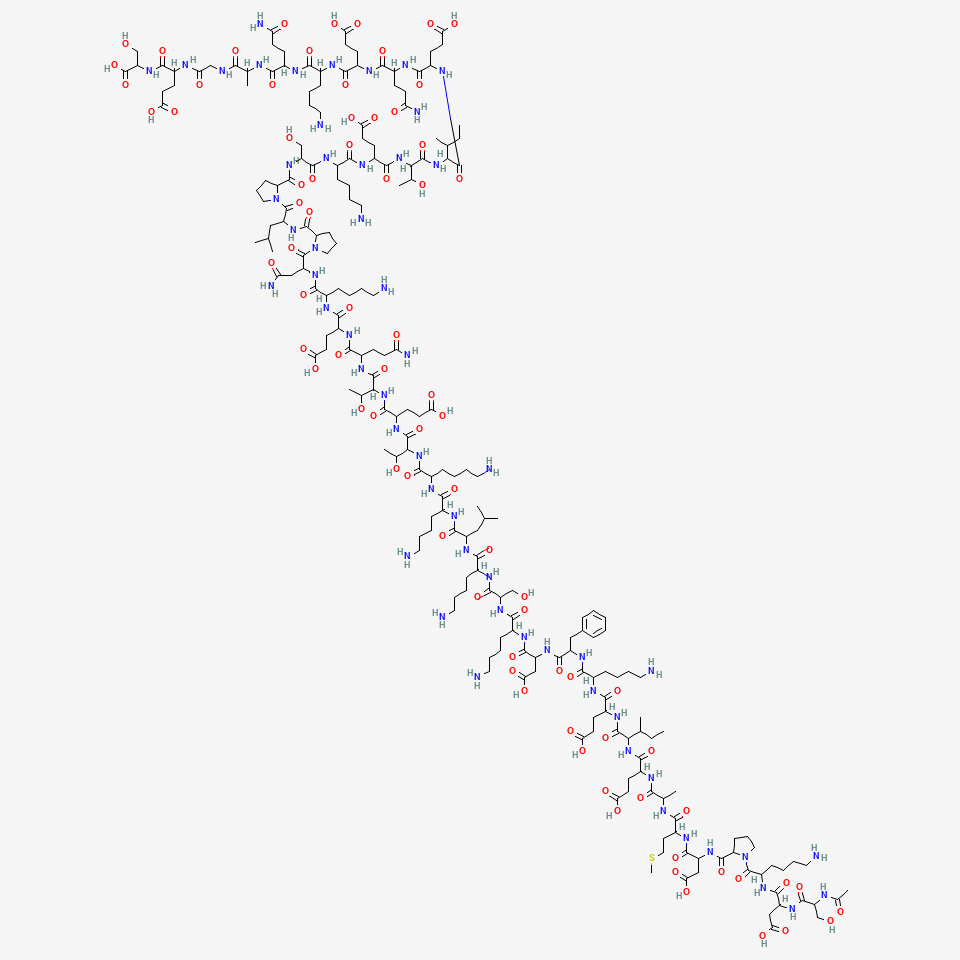
TB-500 is a synthetic peptide derived from Thymosin Beta-4 (Tβ4), a naturally occurring protein encoded by the TMSB4X gene and present in many cell types throughout the body. The peptide consists of 43 amino acids and is commonly studied for its potential involvement in cellular migration, tissue repair processes, and cytoskeletal regulation.
A key functional segment of TB-500, often referenced as the LKKTETQ peptide sequence, has been investigated for its interaction with actin, an essential structural protein that supports cellular shape and movement. Through interactions with globular actin (G-actin), researchers suggest the peptide may influence actin polymerization and cellular motility, processes frequently examined in wound healing and tissue regeneration research models.
Because thymosin beta-4 is naturally present in wound fluid and platelets, TB-500 has been studied for its potential role in cell migration, angiogenesis, and tissue repair mechanisms within experimental settings.
Research Background
Scientific investigations have explored TB-500 in several biological research models examining cellular migration, inflammation signaling pathways, and vascular formation.
In wound-healing research conducted on murine models, investigators reported accelerated re-epithelialization and increased wound contraction in subjects exposed to thymosin beta-4 compared with control conditions. Researchers also observed increased angiogenesis and collagen deposition, processes commonly associated with tissue repair mechanisms.
Additional studies have examined the peptide’s potential interactions with microRNA-146a signaling, which may regulate inflammatory cytokine pathways involving IRAK1 and TRAF6 proteins. Researchers proposed this interaction as a possible mechanism through which thymosin beta-4 may influence inflammatory responses in cellular models.
Research has also investigated TB-500 in cardiovascular and vascular studies. Experimental findings suggested the peptide may influence angiogenesis and endothelial cell migration, with some studies noting changes in molecular markers such as VEGF, Ang2, and Notch signaling proteins involved in vascular development.
Other experimental models have examined TB-500 in relation to hair follicle activity, corneal tissue repair, and myocardial cell survival, where researchers monitored changes in cellular growth markers, apoptosis signaling, and tissue regeneration pathways during controlled laboratory protocols.
Common Research Focus Areas
Cellular migration and cytoskeletal actin regulation
Tissue repair and wound-healing research models
Angiogenesis and vascular signaling studies
Inflammatory pathway and cytokine signaling investigations
Regenerative biology and tissue remodeling research
CAS Number | 885340-08-9 |
Synonyms | Thymosin Beta-4 |
Sequence | LKKTETQ |
Molecular Formula | C212H350N56O78S |
Molecular Weight | 4963 |
Content | 5mg, 10mg |
Physical Appearance | Fine White Lyophilized Powder |
Pubchem LCSS | |
Storage | Store in a cool, dry environment. Protect from moisture, heat, and direct light. |
Terms | Products offered by Pythion Research are provided for research and educational purposes. |
2D Structure
Related Products
Sale: 20% Off Sitewide — Use Code: PYTHION20 At Checkout • Ends May 10th