
%20KPV%20(10mg).jpg)
KPV
In Stock
Out of Stock
$50
Net Content
10 mg
Please select a content
{00.00}
{stockCount}
1
Successfully email sent to admin
PASSED
Sterility & Endotoxins
PASSED
Net Content & Purify
Products offered by Pythion Research are provided for research and educational purposes.
Properties
Overview
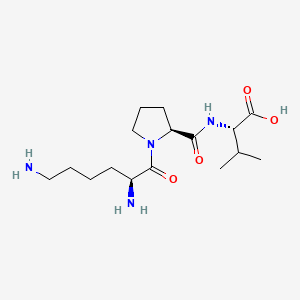
KPV is a naturally occurring tripeptide composed of the amino acids lysine, proline, and valine (Lys-Pro-Val). It corresponds to the C-terminal fragment (residues 11–13) of alpha-melanocyte-stimulating hormone (α-MSH), a signaling peptide involved in immune and inflammatory regulation.
Unlike the full α-MSH hormone, KPV does not bind melanocortin receptors, yet research suggests it retains much of the anti-inflammatory activity of the parent peptide. Because of this, KPV has been widely examined in laboratory research investigating inflammatory signaling pathways and immune regulation.
Due to its small size, cellular permeability, and interaction with inflammatory signaling systems, KPV has become a frequently studied compound in research examining cytokine regulation, epithelial biology, and immune pathway modulation. Supplied as a research-grade 10 mg preparation, this peptide is intended solely for laboratory and in-vitro investigation.
Research Background
Scientific investigations have examined KPV across experimental models evaluating inflammatory signaling pathways, cytokine regulation, and immune cell responses.
Laboratory research has explored KPV’s interaction with nuclear factor kappa-B (NF-κB), a transcription factor central to inflammatory gene expression. Experimental models suggest that KPV may reduce NF-κB nuclear translocation, in part by competing with importin-α for binding to the p65/RelA subunit, a mechanism studied in the regulation of inflammatory signaling.
Additional studies have examined KPV’s potential influence on IκB kinase activity and mitogen-activated protein kinase (MAPK) signaling pathways. Through these interactions, research models have reported reductions in the secretion of pro-inflammatory cytokines such as TNF-α, IL-1β, and IL-6.
KPV has also been investigated for its ability to enter cells directly, including through peptide transporters such as PepT1, which are expressed in epithelial tissues. This property has made KPV a subject of interest in research models examining gastrointestinal inflammation, epithelial barrier function, and mucosal immune signaling.
Because of its interaction with inflammatory signaling pathways and its relationship to α-MSH, KPV continues to be studied as a model compound in research examining inflammation, immune regulation, and cellular signaling.
Common Research Focus Areas
NF-κB signaling and inflammatory pathway regulation studies
Pro-inflammatory cytokine (TNF-α, IL-6) modulation research
Epithelial barrier function and mucosal immunity investigations
Gastrointestinal inflammation and colitis research models
Immune signaling and MAPK pathway analysis
CAS Number | 67727-97-3 |
Synonyms | Lys-Pro-Val, α-MSH (11-13), Tripeptide KPV |
Sequence | Lys-Pro-Val (KPV) |
Molecular Formula | C16H30N4O4 |
Molecular Weight | ~ 342.43 g/mol |
Content | 10mg |
Physical Appearance | Fine White Lyophilized Powder |
Pubchem LCSS | |
Storage | Store in a cool, dry environment. Protect from moisture, heat, and direct light. |
Terms | Products offered by Pythion Research are provided for research and educational purposes. |
2D Structure
Related Products
Sale: 20% Off Sitewide — Use Code: PYTHION20 At Checkout • Ends May 10th